Understanding Algolia pricing matters because the published rates rarely reflect the real monthly invoice. Algolia pricing is built on a dual-metric model — you pay for both search requests and indexed records — and AI features sit behind premium tiers.
bCloud AI vs Algolia Elevate —
300,000+ SKU Cost Comparison
Capability
Algolia Elevate
bCloud AI
Configuration Fee
$50,000+
$5,000
Monthly Cost
$4,200 – $6,700 / month
~$1,500 / month
Annual Cost
$50,000 – $80,000 / year
~$18,000 / year
Semantic Search
✅ Elevate Only
✅ Included
AI Ranking
✅ Elevate Only
✅ Included
Overage Risk
✅ High — Per-Search Bill
❌ None
Implementation Period
12 – 15 Weeks
3 – 4 Weeks
3-Year Total Cost
$200,000 – $290,000+
~$54,000
3-Year Savings with bCloud AI
Configuration Fee Saving
$45,000+
vs Algolia $50,000+ setup cost
Monthly Saving
$3,050 – $5,550
per month at 200K+ SKU scale
Annual Saving
$36,200 – $66,200
per year vs Algolia Elevate
3-Year Total Saving
$153,600 – $243,600+
total cost of ownership advantage
Go-Live Faster
8 – 11 Weeks
sooner than Algolia implementation
A real Algolia
pricing example
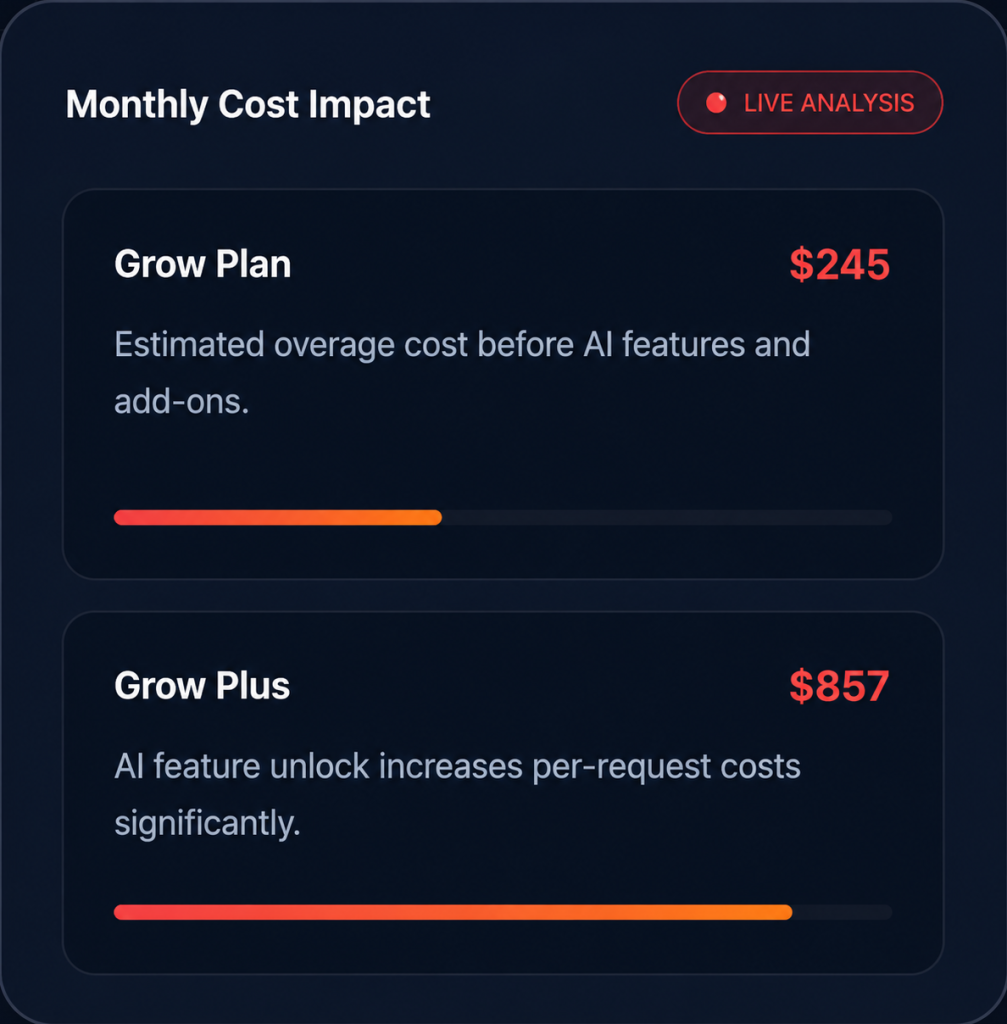
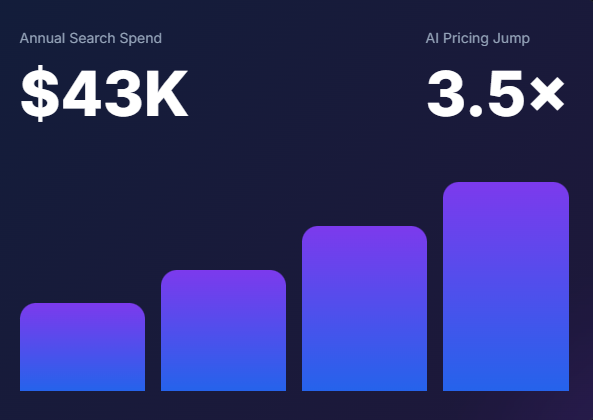
A mid-sized store handling 500,000 monthly searches and 250,000 records on the Grow plan would pay roughly $245/month in overages alone (490K extra requests × $0.50 + 150K extra records × $0.40), before A/B testing or AI add-ons.
Switch to Grow Plus for AI features and the same volume jumps to ~$857/month — a 3.5× premium driven by the higher per-request rate.
Grow Plan
$245
Monthly overage estimate before AI features.
Grow Plus
$857
AI feature upgrade with higher per-request pricing.
When Algolia pricing
makes sense
Mostly benefits
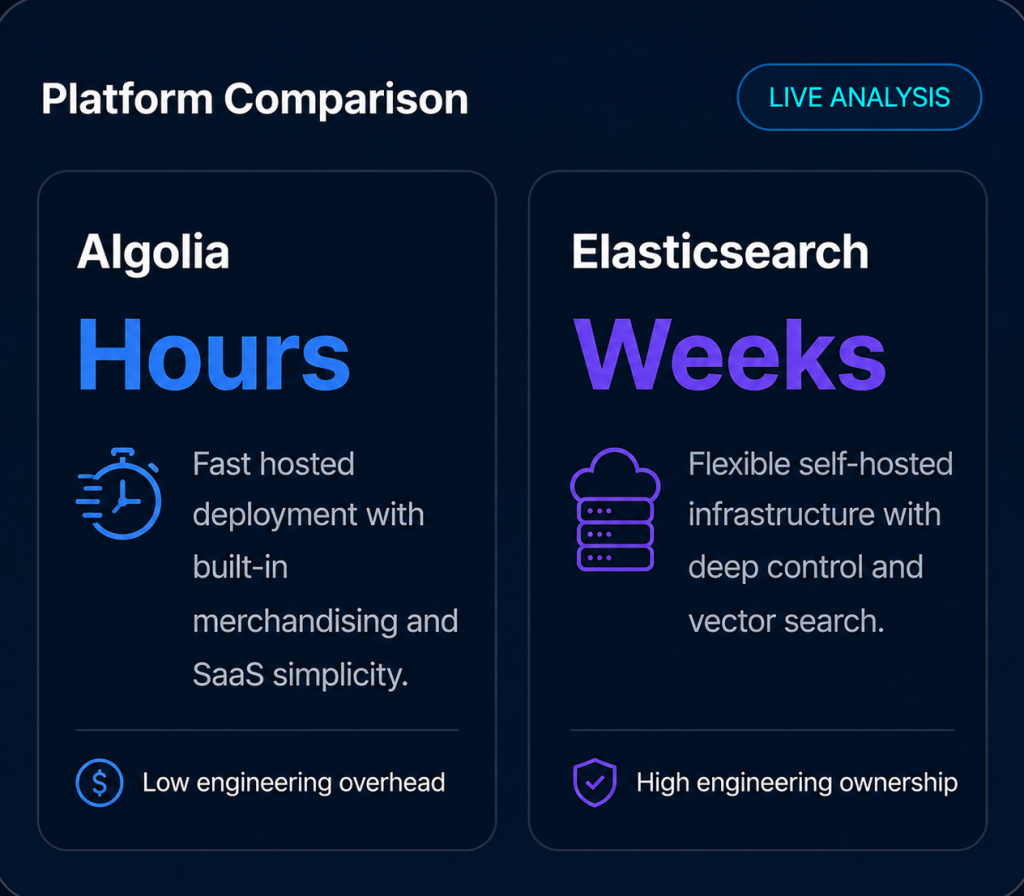
Algolia pricing works well for teams with predictable, low-to-moderate traffic that need fast-to-deploy hosted search and don't require advanced semantic features.
Predictable traffic
Lower-volume stores can maintain manageable invoices with minimal overage exposure.
Enterprise AI trade-offs
For teams needing NeuralSearch, RAG, and behavioral reranking included by default, the pricing model.
can become the most expensive line item in the stack.
Fast deployment
Hosted infrastructure makes implementation faster for teams without dedicated search engineers.
Once the cost math gets uncomfortable, most teams start looking for an Algolia alternative with predictable pricing and AI features included by default. If your engineering team is open to a self-hosted route, our Algolia vs Elasticsearch comparison weighs license-free Elasticsearch against Algolia’s hosted convenience. And for a wider view of the market — including how bCloud AI, Algolia, Coveo, and Searchspring stack up — see our guide to the best e-commerce search platforms in 2026.
E-commerce search engine makes all the difference.
Frequently asked
questions
How does Algolia pricing work?
Algolia uses a dual-metric model: you pay for both search requests and indexed records, so two meters run at once. There are five tiers: Build (free), Grow, Grow Plus, Premium, and Elevate. Published rates rarely reflect the real invoice because AI features sit behind premium tiers and add-ons bill separately on top.
How much does Algolia cost per month?
Build is free with 10K requests and 1M records but enforces hard limits. Grow bills $0.50 per 1K requests and $0.40 per 1K records beyond the included 10K requests and 100K records. Grow Plus raises requests to $1.75 per 1K. Premium and Elevate are custom annual quotes, typically $4,200 to $6,700 per month at 300,000+ SKU scale.
What is the difference between Algolia Grow and Grow Plus?
Included volumes are the same, but Grow Plus unlocks AI features and more than triples the per-request overage rate, from $0.50 to $1.75 per 1,000 requests. A store handling 500,000 monthly searches and 250,000 records pays roughly $245 per month in overages on Grow, but the same volume jumps to about $857 per month on Grow Plus, a 3.5x premium.
What hidden fees should I watch for in Algolia pricing?
Four main ones. AI Recommendations bill at $0.60 per 1,000 requests on top of base search. The Crawler adds $0.80 per 1,000 requests. A/B testing typically runs $500 to $2,000 per month on enterprise tiers. And exceeding committed limits is often billed at 1.5 to 2 times standard rates.
Which Algolia plan includes NeuralSearch?
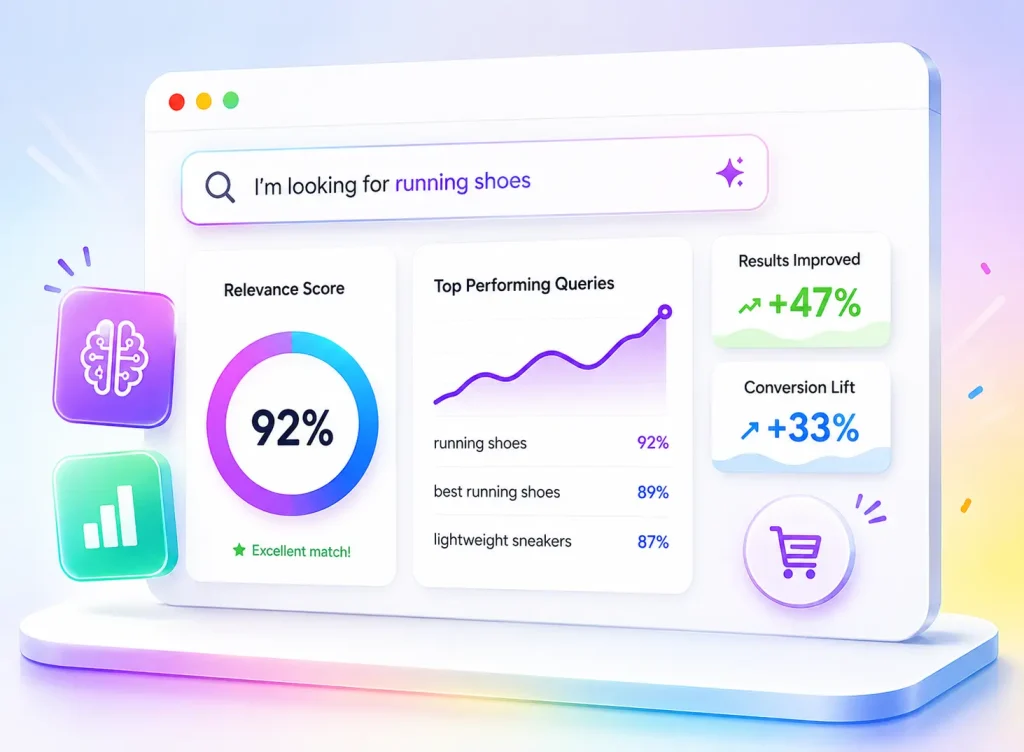
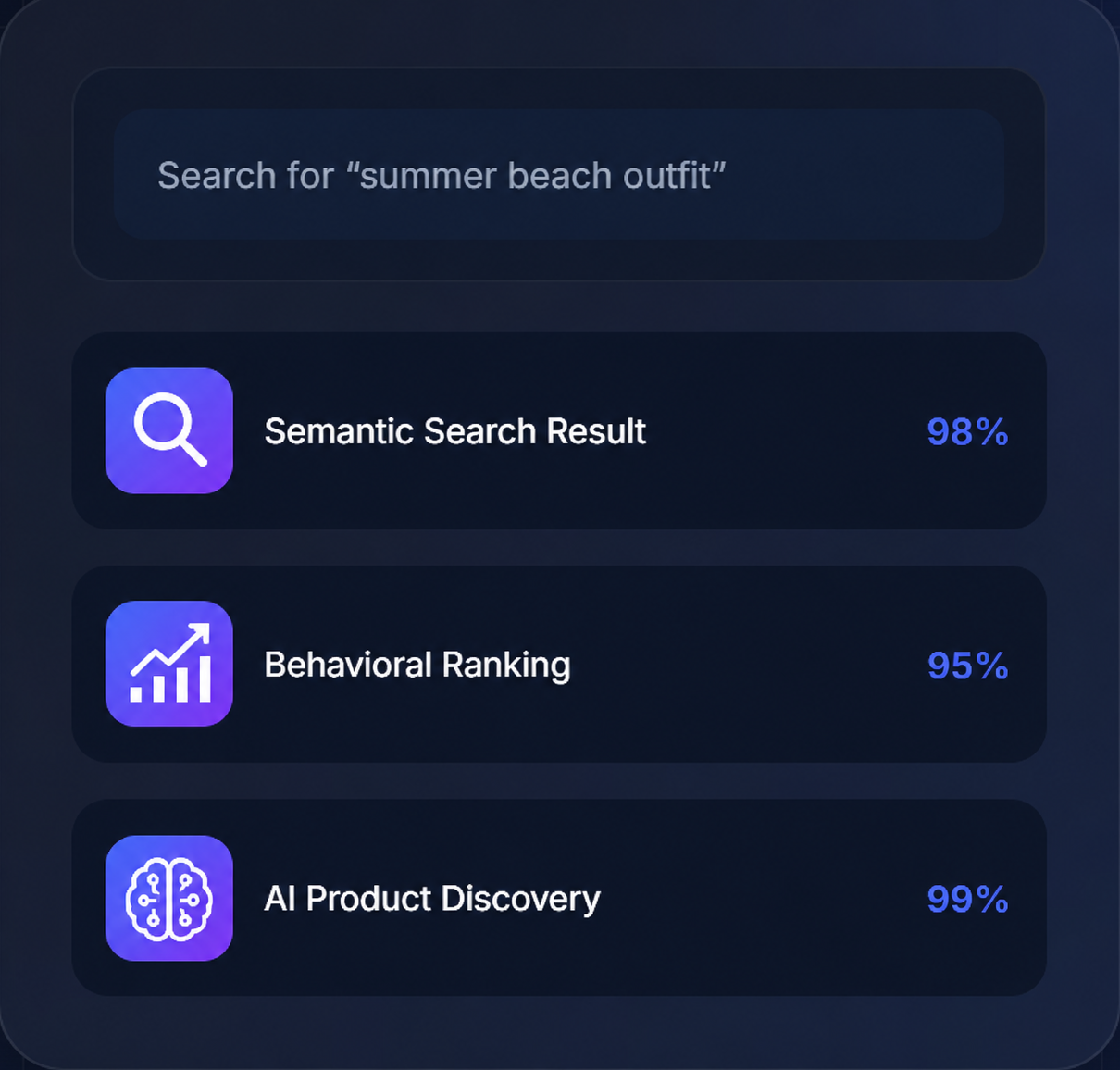
Only Elevate, the top enterprise tier priced by custom annual quote. Semantic search and AI ranking are Elevate-only, which puts modern AI capability out of reach for most mid-market stores. By contrast, bCloud AI includes semantic search, AI ranking, and behavioral reranking in every tier.
When does Algolia pricing make sense?
Algolia works well for teams with predictable, low to moderate traffic that need fast-to-deploy hosted search and do not require advanced semantic features. Lower-volume stores can keep invoices manageable with minimal overage exposure. The model becomes the most expensive line item in the stack once AI features and high traffic combine.
Why Pay More for Search? Move from Algolia to bCloud AI
Upgrade to a modern AI search platform built for eCommerce growth. Enjoy semantic search, intelligent recommendations, faster implementation, and transparent pricing designed to scale with your business.