
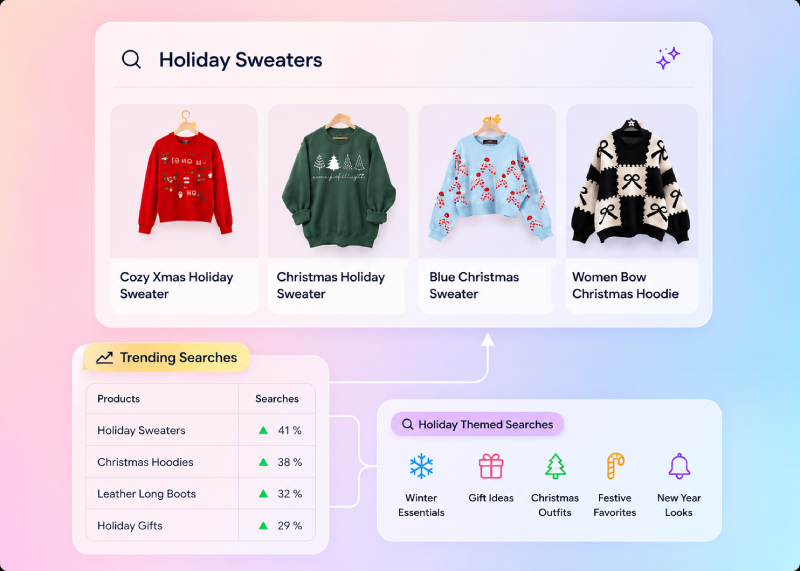

Semantic Search: Meaning-Based Information Discovery
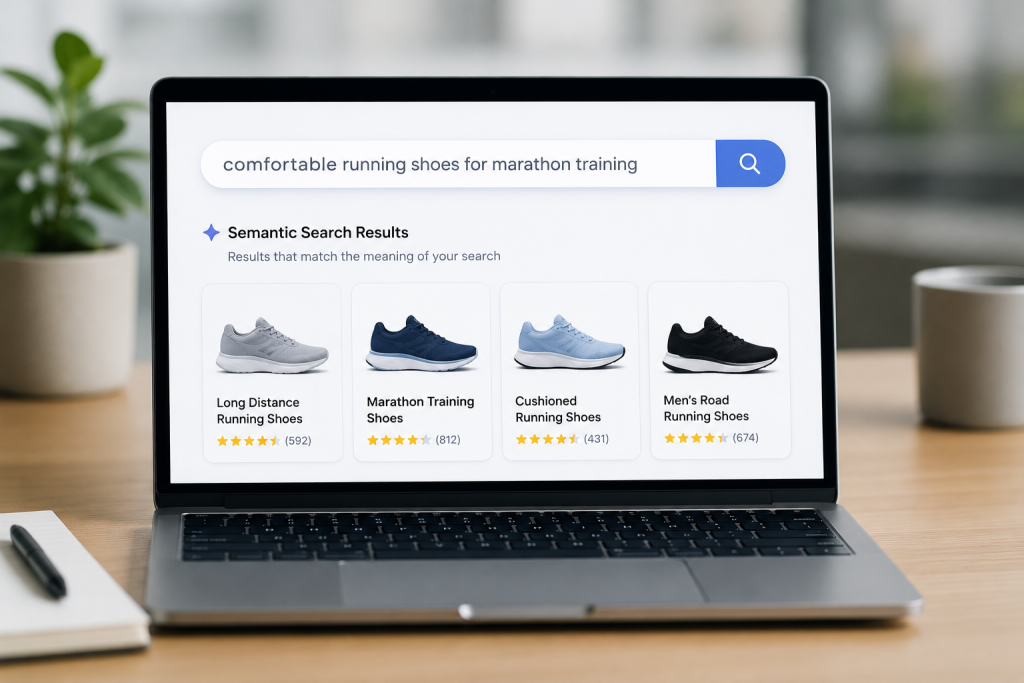
The Technology Transforming Information Discovery
Understanding Semantic Search Basics
- Semantic search uses artificial intelligence to understand the intent and contextual meaning of search queries and content, rather than just matching keywords. The word "semantic" refers to meaning—semantic search is about finding meaning.
- This distinction might seem subtle, but it produces dramatic improvements in search relevance and user satisfaction. Semantic search is rapidly becoming the standard for modern search applications across ecommerce, enterprise knowledge management, and customer-facing systems.
Key characteristics of semantic search
🧠
Meaning-Based Matching
Semantic search understands that "automobile," "car," and "vehicle" all refer to the same concept, even though they use different words.
🎯
Intent Understanding
Semantic search determines whether you're researching, comparing, or trying to purchase something—then adjusts results accordingly.
🔍
Context Awareness
Semantic search considers surrounding information and your history to better understand what you're looking for.
🔗
Synonym and Concept Handling
Semantic search knows related concepts and similar terms, improving result coverage.
💬
Phrase and Question Understanding
Semantic search handles natural language queries, not just keyword phrases.
Why Semantic Search Matters Now
Reduced Zero-Result Searches
One of the most frustrating search experiences is when nothing relevant appears. Semantic search dramatically reduces this.
Better Ecommerce Performance
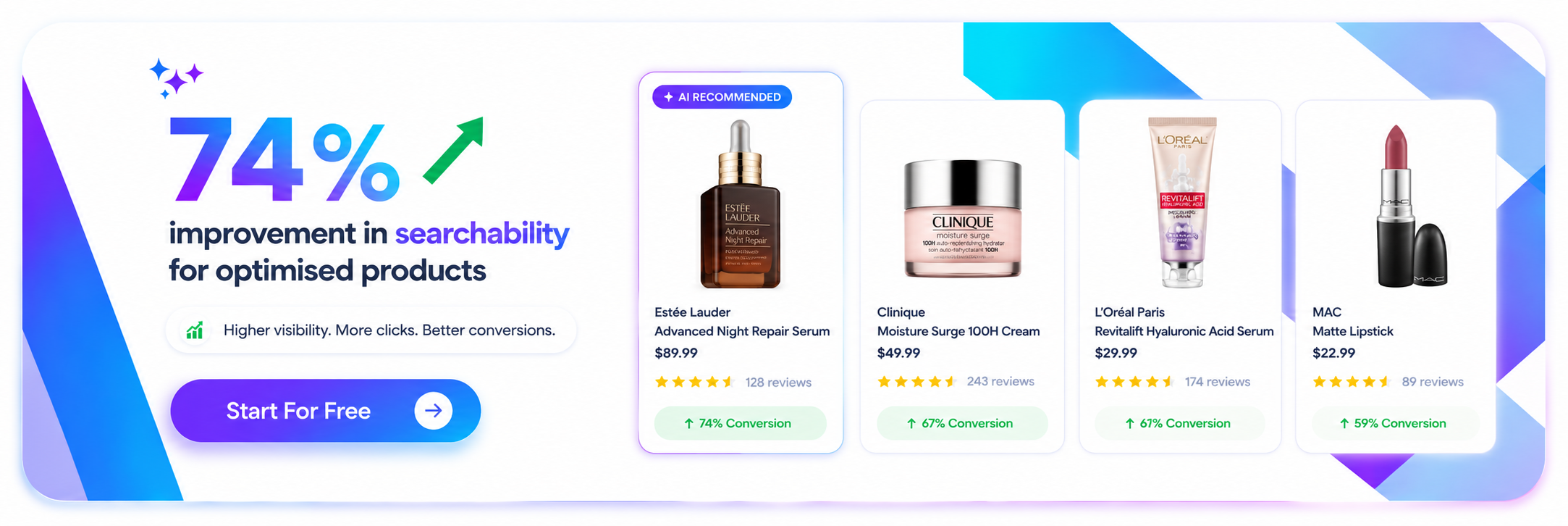
For product discovery, semantic search is increasingly table stakes. Organizations with strong semantic search implementations see significantly higher conversion rates.
Improved Internal Search
Employees can find answers to questions faster when semantic search understands what they're actually asking.
Enhanced User Experience
Users get more relevant results, find what they need faster, and become more satisfied with your platform.
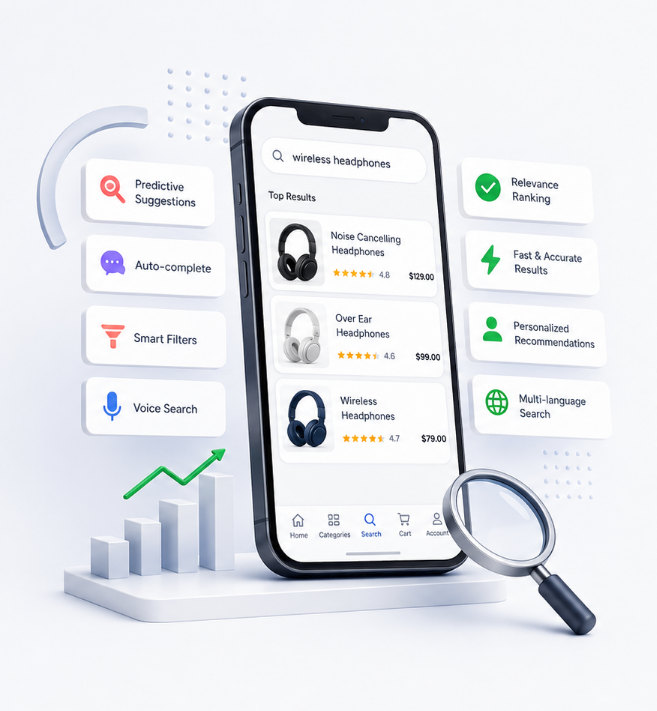
When to Implement Semantic Search
- You have 5,000+ searchable items (products, documents, content)
- Users frequently encounter zero-result searches
- You operate in ecommerce and want to improve conversions
- You want to improve internal knowledge discovery
- You support customers with diverse needs and terminology
- You're in competitive markets where customer experience matters
The Semantic Search Implementation Process
Semantic Search vs. Keyword-Based Search: The Real Differences
📈
Result Quality
Semantic search typically returns more relevant results. Compare the same query in keyword-based vs. semantic search systems and the difference is striking.
📉
Zero-Result Rate
Traditional search has high zero-result rates. Semantic search dramatically reduces these frustrating experiences.
👤
User Satisfaction
Users find what they need faster with semantic search, leading to higher satisfaction.
🧠
Query Refinement
With semantic search, users need fewer refinements to find what they want.
Evaluating Semantic Search Solutions
Real-World Semantic Search Results
Advanced Semantic Search Techniques
Custom Domain Training
Semantic search can be fine-tuned for specific domains like healthcare, finance, or technology, improving accuracy.
01
02
Personalized Semantic Search
Results can be personalized based on user history and context.
Multimodal Semantic Search
Advanced systems can search across images, text, and structured data simultaneously.
03
04
Federated Semantic Search
Semantic search can be deployed across multiple data sources and systems.
Semantic Search for Specific Use Cases
Ecommerce Product Search Semantic search
Helps customers find products even when they don't use exact product names. A customer searching for "comfy outdoor shoes" will find athletic footwear even if the product title is "Performance Trail Runner."
Enterprise Knowledge Search
Employees searching for "budget approval process" can find relevant documents even if the document uses the term "financial authorization workflow."
Customer Support Search
Customers can find answers to "why can't I log in" even when your help center uses technical terminology like "authentication failure."
Healthcare Information Search
Patients can search for "arthritis help" and find information about "osteoarthritis management," though the exact terminology differs.
Frequently asked questions
Is semantic search ready for production, or is it still experimental?
How long before semantic search delivers results?
Can we implement semantic search gradually?