
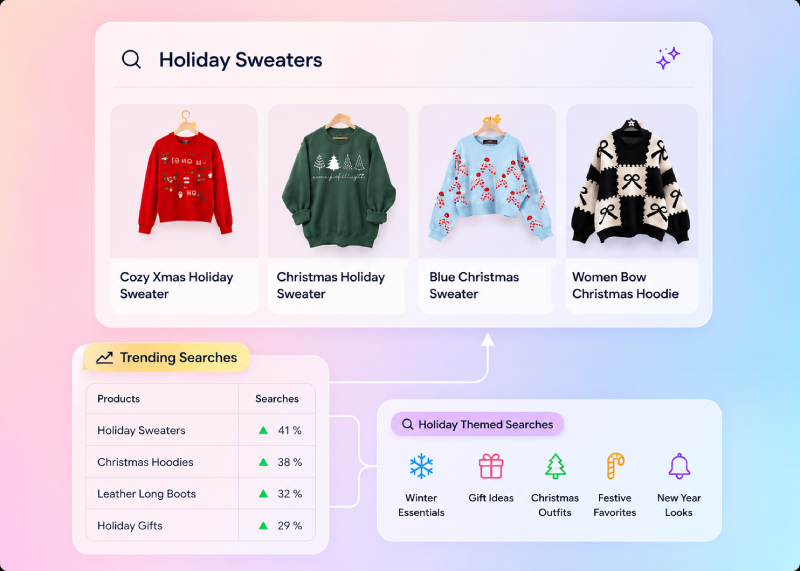
Supercharge your search index with bCloud AI Sync
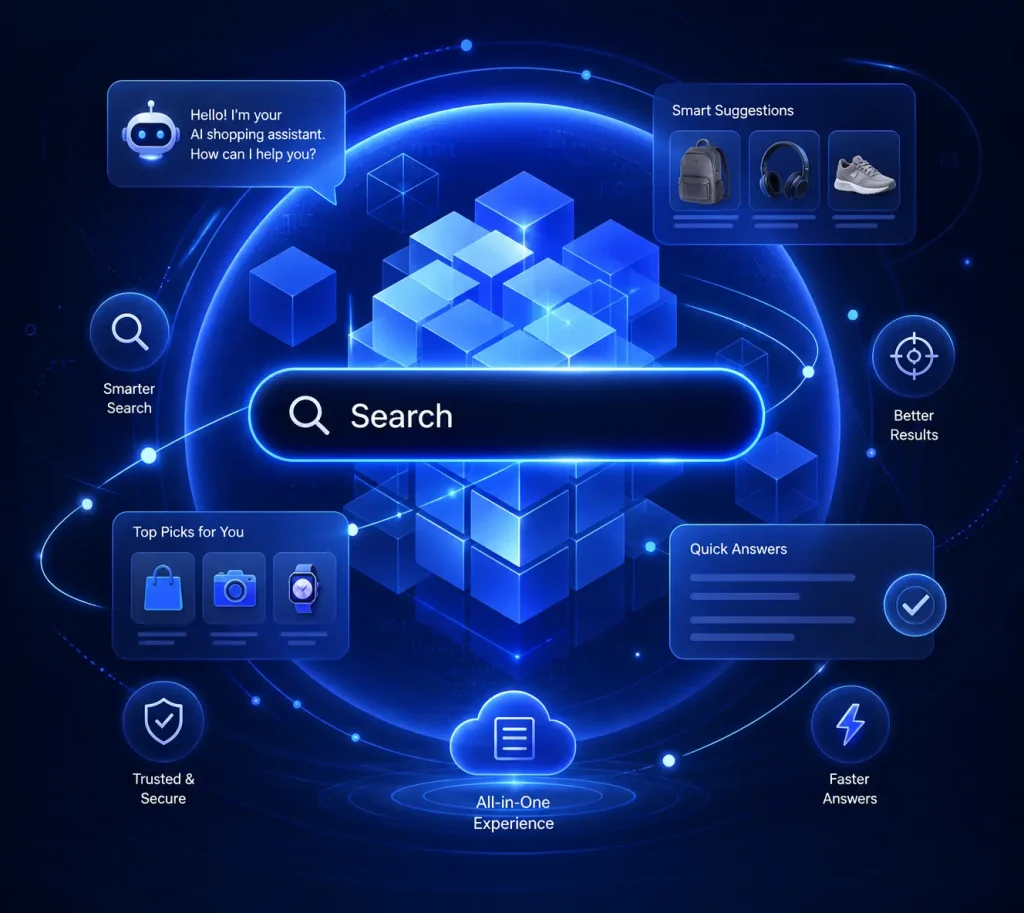
bCloud AI Sync
Enrich your data and elevate data quality with Sync — a powerful enrichment engine that pulls data from external sources via third-party APIs directly within your transformation pipeline. No separate ETL infrastructure, no manual pre-processing — just richer, more relevant search records, automatically.
Amplify data richness
Add valuable context to your bCloud AI records with real-time data from any compatible third-party connector or API — from pricing feeds and inventory systems to review aggregators and translation services.
Simplify integration
Connect external data sources seamlessly without building complex pre-processing pipelines. Sync handles the orchestration — you just define the data source and the target field of your choice .
Sharpen search relevance
Deliver more accurate, contextually relevant search results by incorporating up-to-the-minute information from external systems — ensuring your index always reflects the freshest data available.
Pre-built helper functions
Get started quickly with several included functions accessible directly in the dashboard UI. For anything beyond the built-in options, an open API gives your engineering team full flexibility to support you.
How it works
From raw data to enriched, searchable records
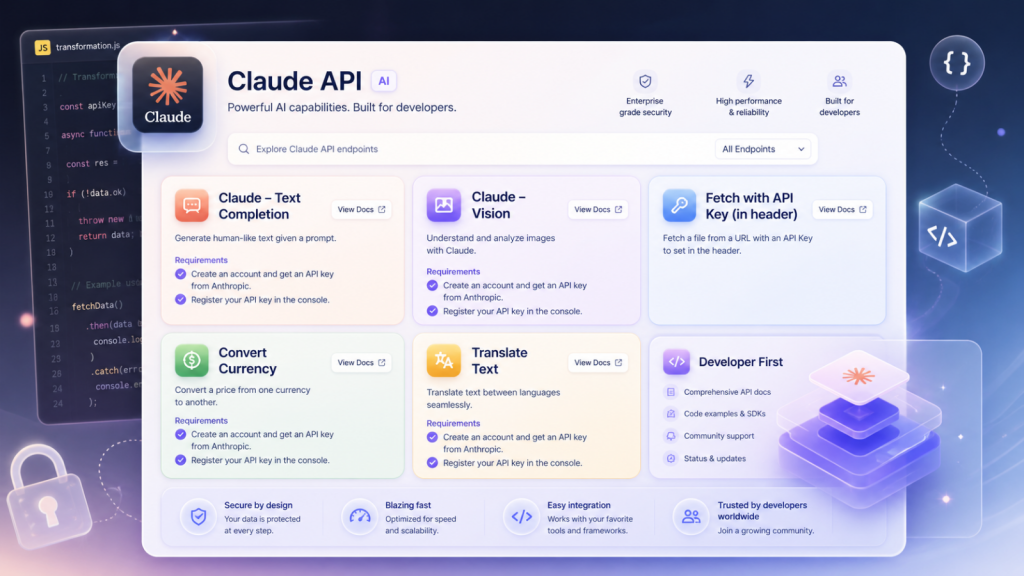
Unlock powerful new use cases
Data Enrichment with Sync makes it easier than ever to enhance your search index and deliver substantially better results. Here are the most impactful applications:
Translation
Automatically translate product descriptions, category names, and metadata to support a fully multilingual search experience — powered by services like DeepL, Google Translate, or your own translation API. Reach global audiences without manually maintaining separate content for each locale.
Personalisation signals
Pull in user preferences, segment data, and behavioural context from your CRM, CDP, or analytics platform to deliver tailored, more relevant search results. Sync bridges the gap between your customer data warehouse and your search index — keeping personalisation signals fresh and actionable.
Product data enrichment
Augment your product records with real-time inventory levels, dynamic pricing, customer review scores, and stock availability from external sources. Ensure your search results always reflect the current state of your catalogue — not yesterday's snapshot. Also compare the products correcrly with trendy market.
AI-generated metadata
Use large language models to automatically generate rich metadata — themes, style tags, use-case labels, and descriptive attributes — that would be prohibitively expensive to create manually. Sync calls your LLM API during indexing and writes the generated metadata directly into each record.
Data Enrichment FAQs
Do I need to build a separate system to use Sync?
What kinds of external APIs can I connect with Sync?
Is Sync available for all bCloud AI customers?
How is the fetched data added to my records?
Can Sync handle real-time data updates?
Is there a limit to how many external APIs I can connect?
How secure is the data enrichment process?