
Intelligent Retail Now
Understanding AI Grocery: What It Really Means
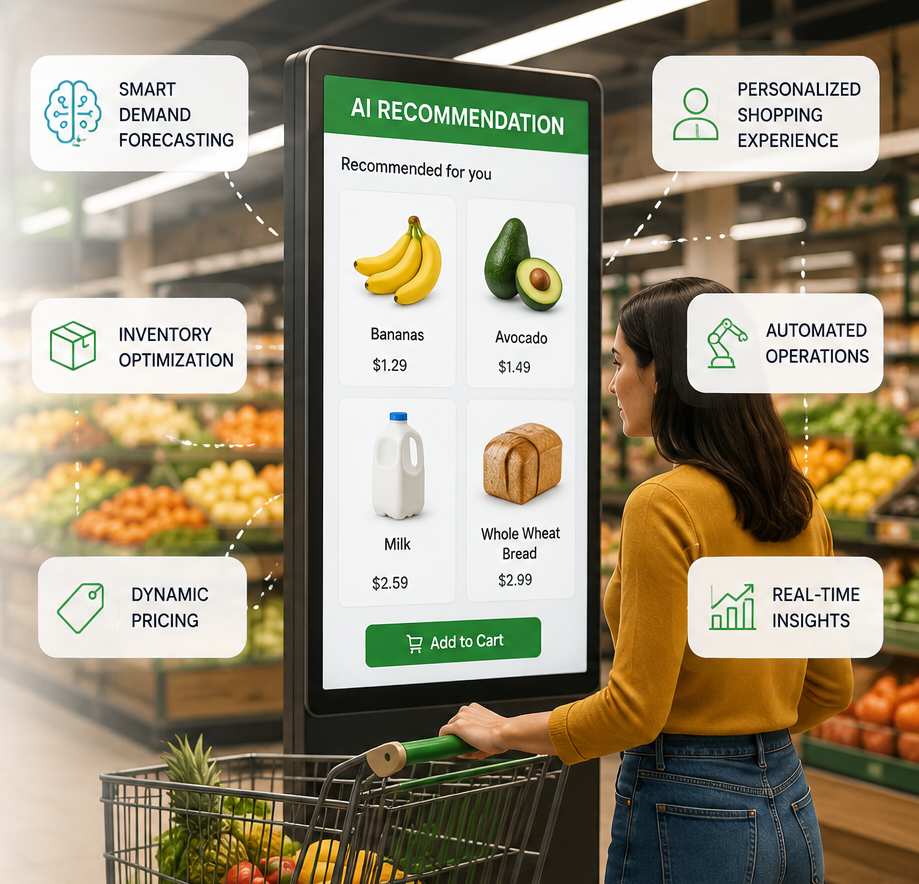
Real-Time Intelligence
AI processes thousands of data points per second to optimize every aspect of your store operations continuously.
Seamless Integration
Works with your existing POS, inventory, and supply chain systems without expensive replacements.
Omnichannel Capability
Deliver consistent AI-powered experiences across in-store, mobile app, website, and voice assistants.
Measurable Results
Track ROI from day one with dashboards showing improvements in satisfaction, efficiency, and sales.
AI Grocery Shopping Assistant: The Future of Personalized Retail
In-Store Kiosks
Interactive points throughout the store
Mobile App
AI assistance in the palm of their hand
Website Chat
Browse and plan before visiting
Voice Assistant
Hands-free shopping support
- Natural language processing (allowing customers to ask the AI grocery shopping assistant questions in plain English)
- Computer vision (enabling the AI grocery shopping assistant to recognize products efficiently)
- Real-time data integration (connecting the AI grocery shopping assistant to inventory and pricing systems)
- Machine learning (helping the AI grocery shopping assistant learn from customer interactions)
Why Grocery Stores Need AI Technology Now
🎯
Customer Expectations
Modern shoppers expect personalized experiences. AI delivers recommendations based on shopping history and preferences, turning browsers into loyal buyers.
👥
Labor Challenges
Finding and retaining quality staff is increasingly difficult. AI automation in checkout and inventory frees your team for high-value customer interactions.
📊
Inventory Management
Preventing stockouts while avoiding overstock is a massive cost challenge. AI predicts demand accurately, reducing waste by up to 35% in real deployments.
🏆
Competitive Edge
Retailers implementing AI effectively are gaining market share right now. Every month you wait, competitors build advantages that compound over years.
The Role of AI in Grocery Stores: Experiences Creating Inclusive Shopping
Personalized Product Recommendations
AI in grocery stores learns from women shoppers' purchase patterns to suggest products that match their household needs. Whether it's dietary preferences, brand loyalty, or value seeking, AI grocery store technology recognizes individual patterns and offers relevant recommendations.
01
02
Time-Saving Features
Research shows women shoppers often juggle multiple responsibilities. AI in grocery stores reduces shopping time through smart list organization, one-click reordering of favorite items, and quick product discovery. This AI grocery store efficiency improvement is particularly valued by busy women shoppers.
Safety and Accessibility
AI in grocery stores can be designed to improve store safety and accessibility. From well-lit aisles with intelligent lighting to voice-activated shopping assistance, AI grocery store technology can address specific accessibility needs.
03
04
Budget-Conscious Shopping.
AI in grocery stores tracks prices, identifies sales, and suggests budget-friendly alternatives. This AI grocery store feature helps price-conscious shoppers—a demographic that includes many women—stretch their budgets further.
Key Applications of AI Grocery Technology in Retail
Computer Vision for Self-Checkout
Computer vision AI grocery systems recognize products instantly in self-checkout, eliminating time-consuming manual entry. Customers scan once, the AI grocery system identifies all items, and checkout is complete in seconds. This AI grocery application has reduced average checkout time by 60% in pilot stores.
Demand Forecasting
Predictive AI grocery analytics forecast demand for thousands of SKUs, optimizing inventory levels in real-time. This AI grocery forecasting prevents costly stockouts while eliminating overstock situations that tie up working capital.
Dynamic Pricing
AI grocery pricing algorithms adjust prices based on demand, inventory levels, and competitive positioning. This AI grocery pricing optimization maximizes revenue while remaining competitive, automatically balancing margin and volume.
Personalization Engines
AI grocery recommendation systems suggest products based on shopping history, preferences, and current needs. This AI grocery personalization increases average transaction value by 15-25% while improving customer satisfaction.
Shopper Analytics
AI grocery systems analyze traffic patterns, dwell times, and purchase sequences to optimize store layouts and product placement. This AI grocery analytics insight helps retailers design stores that naturally guide customers to higher-margin products.
The Implementation Journey: From Zero to Hero in 6 Weeks
How an AI Search Engine Actually Works
Real results from well-executed AI grocery implementations across different retail formats.
The Future of AI Search Engines
Data Privacy in AI Grocery Systems
Modern AI grocery implementations collect customer data to deliver personalization. Ensure your AI grocery systems comply with privacy regulations and maintain customer trust through transparent data practices.
Staff Training for AI Grocery Deployment
Your team needs to understand how to support customers interacting with AI grocery systems. Invest in training that helps staff troubleshoot issues and escalate appropriately when customers need human assistance.
Integration with Existing Systems
AI grocery solutions must integrate with your POS system, inventory management, supply chain, and customer database. This integration is critical for AI grocery effectiveness—fragmented systems limit AI grocery benefits.
Related posts
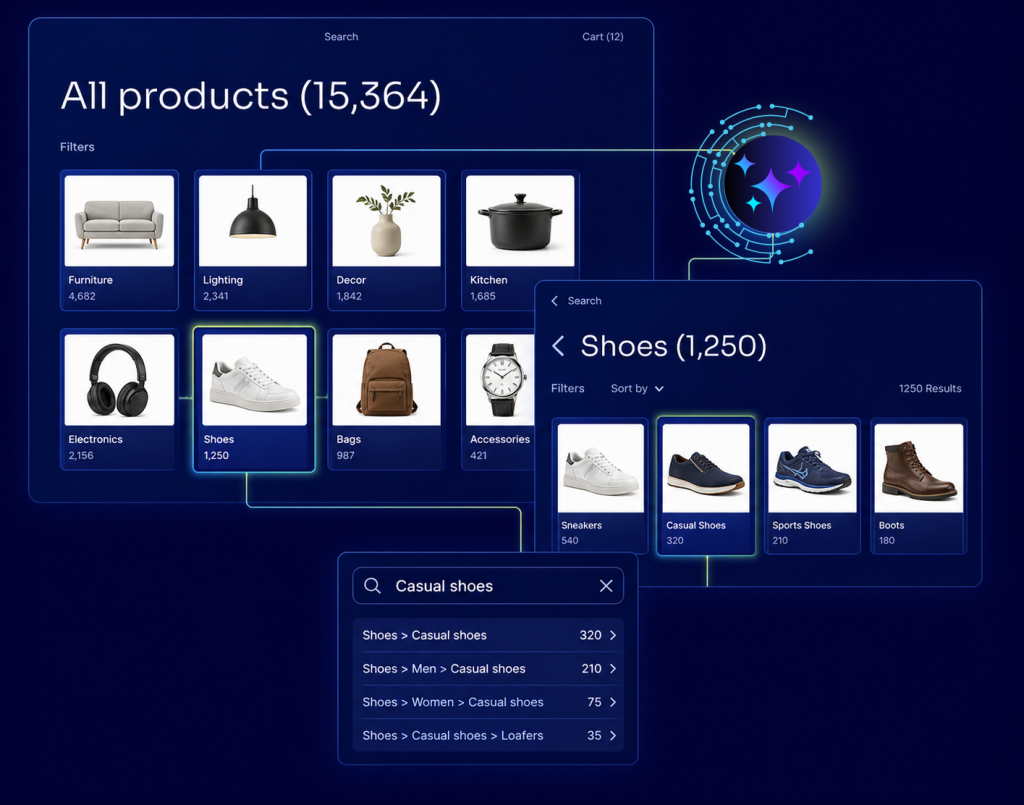
AI Browse
Guide your customers deeper into the funnel with intelligently curated collection and category pages that adapt to intent and business priorities.
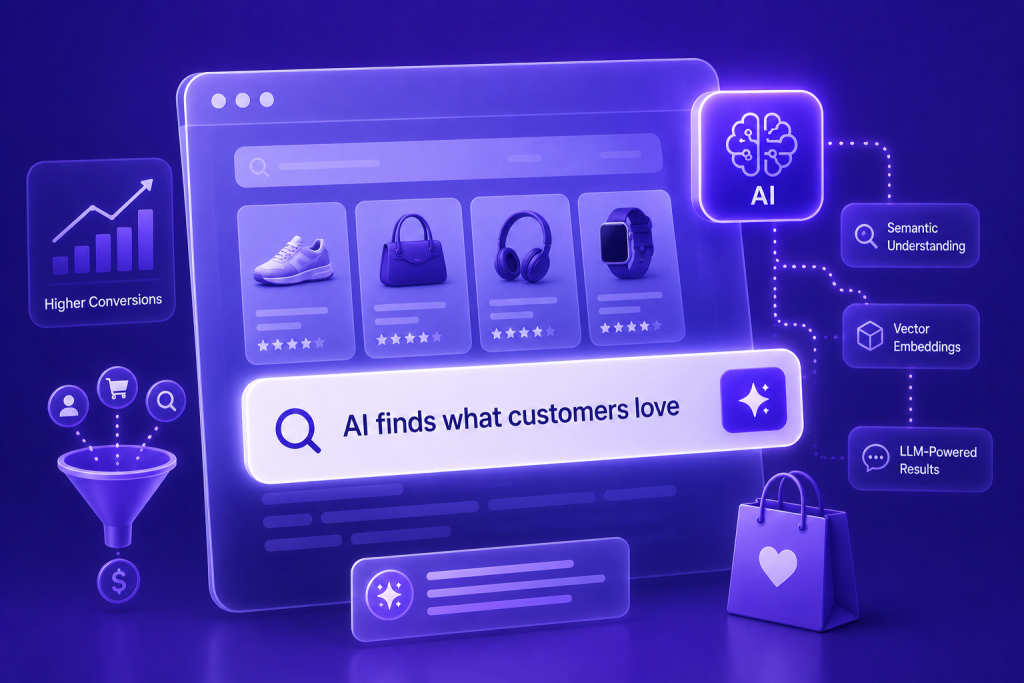
AI E-Commerce Search Guide
Discover how e-commerce AI search is revolutionizing product discovery, conversion rates, and customer experience.
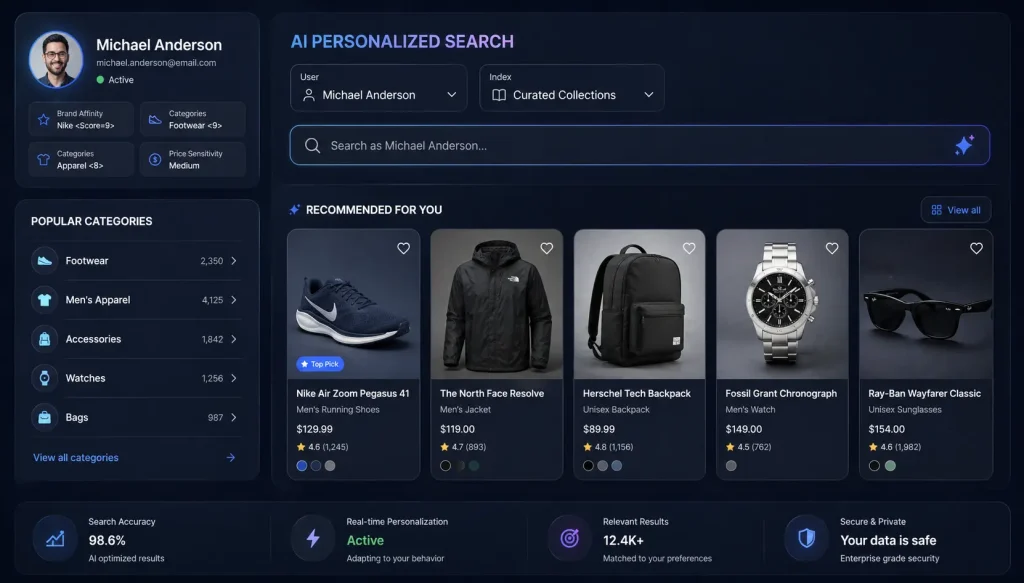
Personalization
Create dynamic, data-driven experiences that adapt in near real time — across every touchpoint, for every visitor, at every stage of their journey.
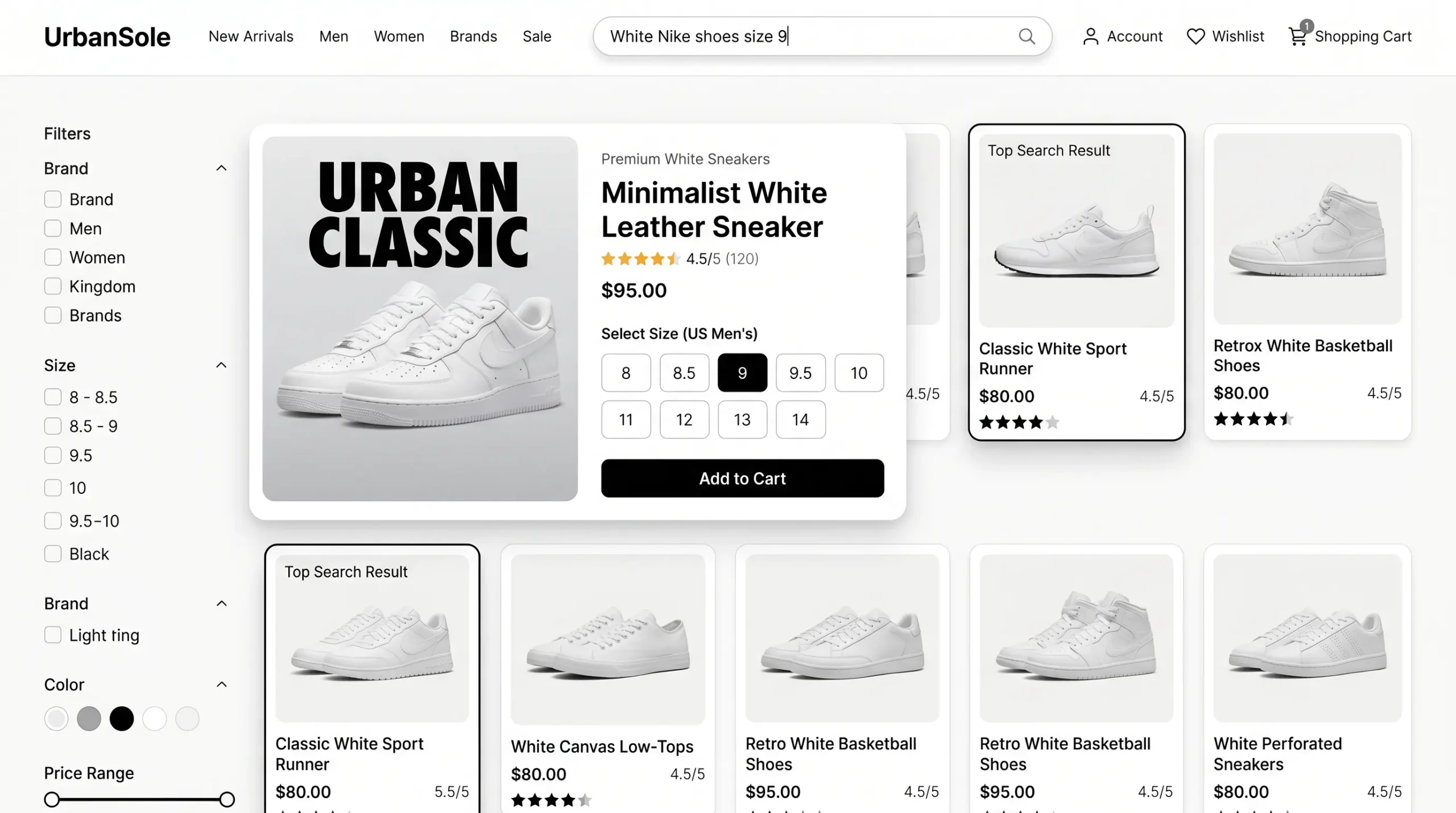
AI Recommendations
Leverage AI-driven behavioural signals to suggest products and content your audience genuinely wants — boosting engagement, cart size.
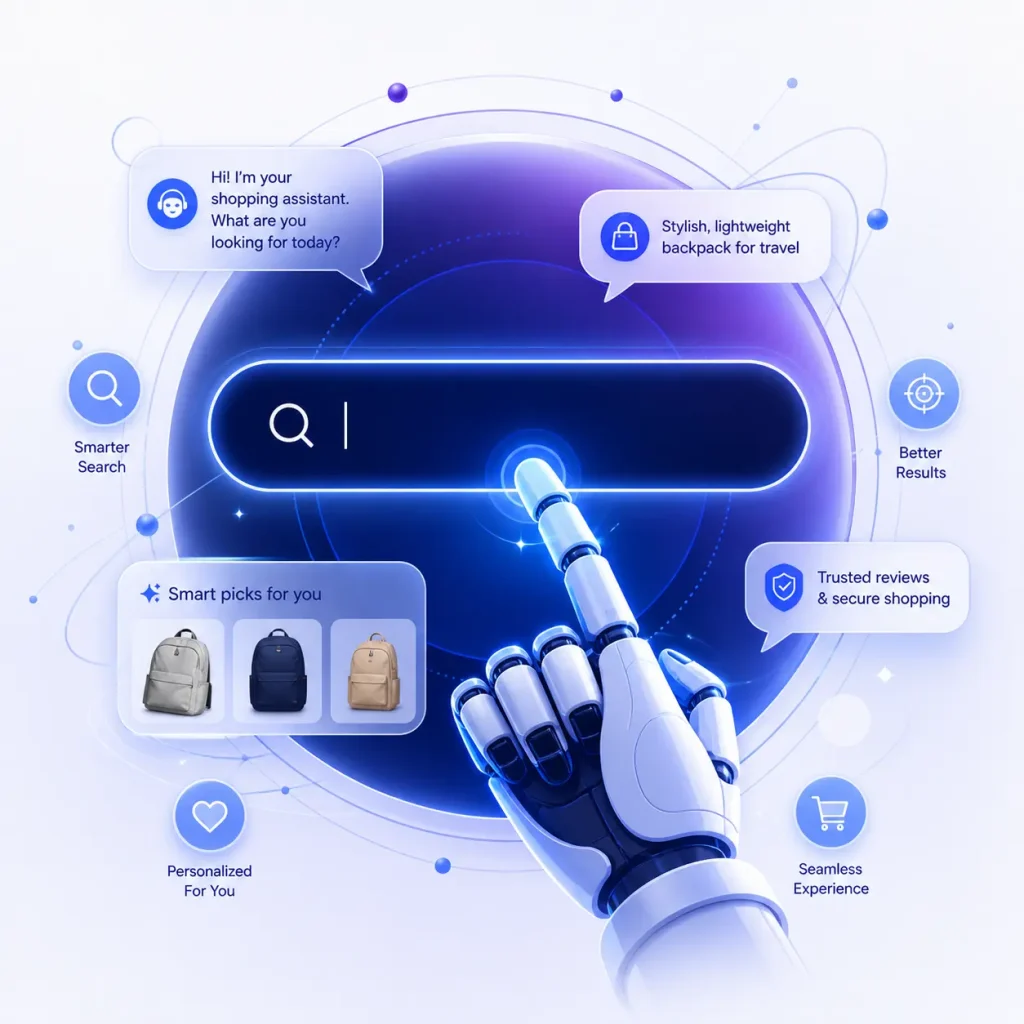
IntentAI
Deliver precise, conversational answers directly from your search bar — transforming documentation, support, and site search into intelligent, dialogue-driven experiences.
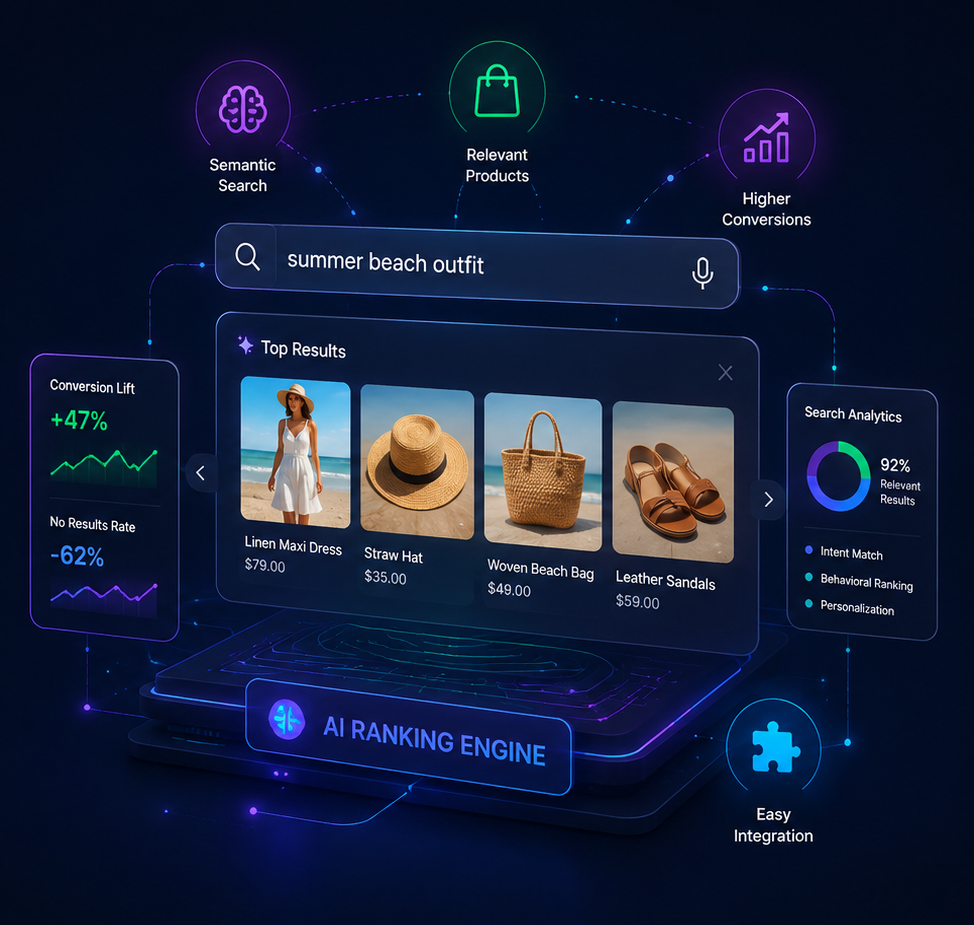
Best e-commerce search
Comparing OpenSearch and bCloud AI as your e-commerce search engine? See the head-to-head on AI capability, deployment, pricing, and merchandising.
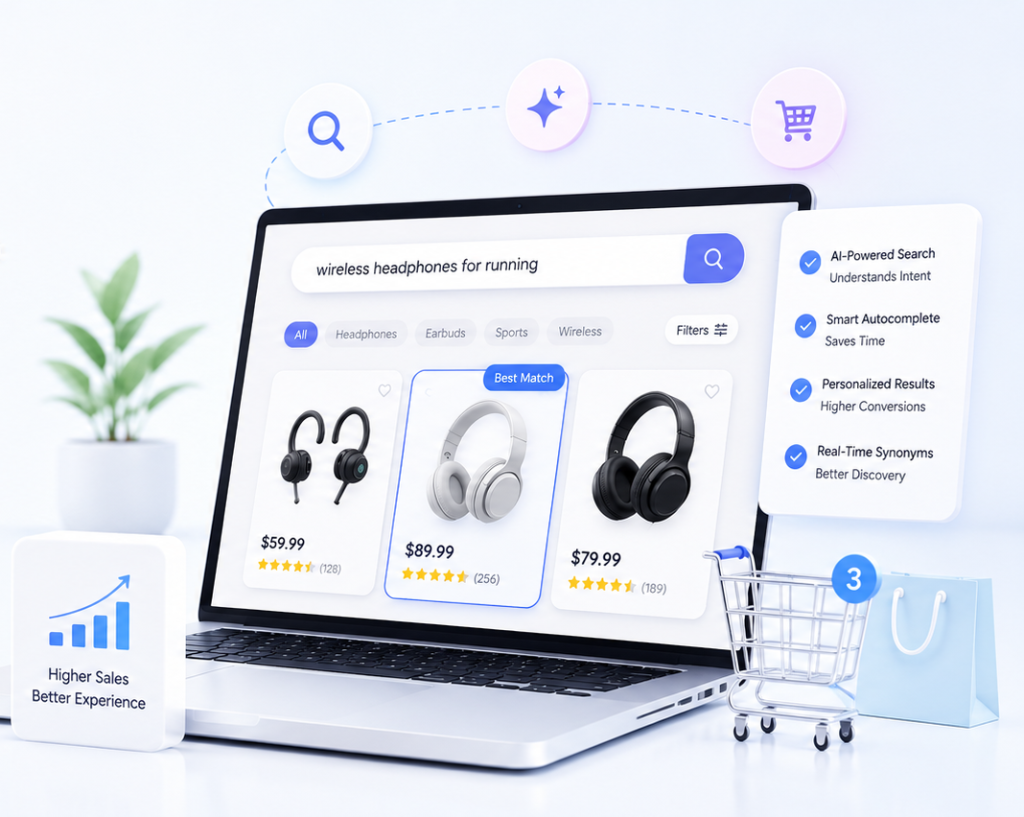
E-Commerce Search Engine
E-commerce search engine makes all the difference between a sale and an abandoned cart.
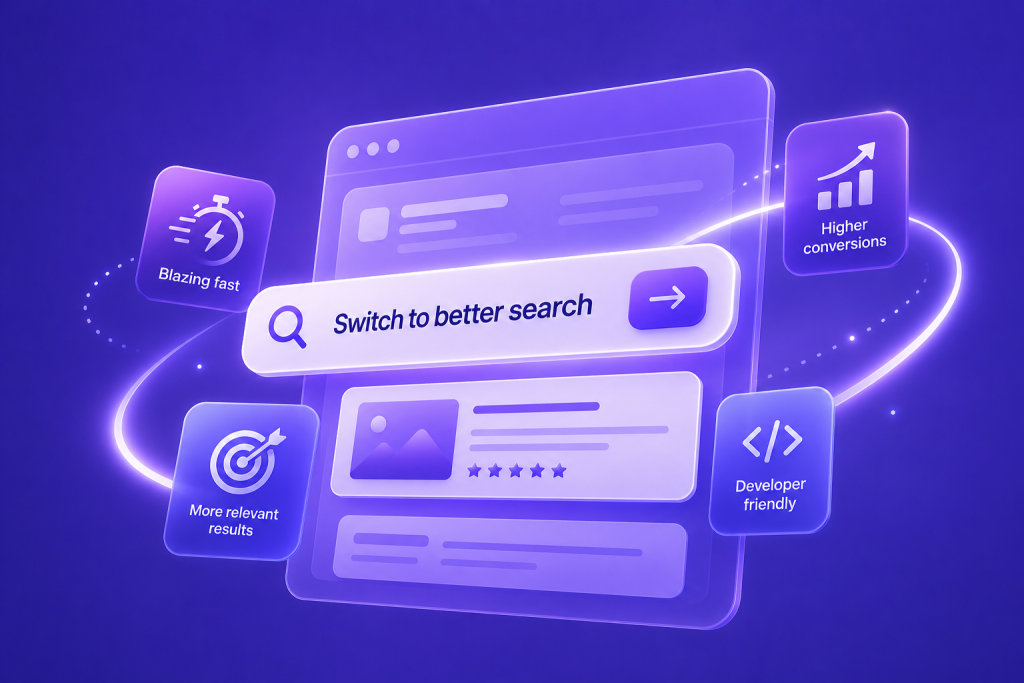
Switch from hawksearch
Hawksearch is built on keyword matching and manual rules—technology from 2015. bcloud AI is built on vector embeddings and LLMs—technology from 2025.

Enterprise Search: Modern Solutions For Organizational Information Access
The ability to quickly find information across documents, databases.
AI E-Commerce Search Guide
Discover how e-commerce AI search is revolutionizing product discovery, conversion rates, and customer experience.
Getting Started with AI Grocery: Next Steps
🔍
Step 01- Assess Your Situation
Evaluate current pain points, technology infrastructure, and business priorities. Which AI grocery applications would deliver the highest ROI for your specific situation?
🏢
Step 02- Research AI Grocery Vendors
Identify vendors specializing in your target AI grocery applications. Request references, case studies, and implementation timelines.
🚀
Step 03- Conduct AI Grocery Pilots
Start with limited pilots of your highest-priority AI grocery solutions. Measure results carefully and use pilot learnings to inform broader rollout.
⚙️
Step 04- Plan Integration
Ensure chosen AI grocery solutions integrate with your existing systems and complement your overall technology strategy.
📊
Step 05- Execute and Measure
Implement your AI grocery strategy methodically and track results against predefined metrics. Use results to guide ongoing optimization and expansion.
FAQ: Common Questions About AI Grocery
What's the typical ROI timeframe for AI grocery investments?
Do we need to replace our current systems to implement AI grocery solutions?
How does AI grocery affect customer privacy?
Can small grocery stores benefit from AI grocery solutions?
How long does AI grocery implementation typically take?